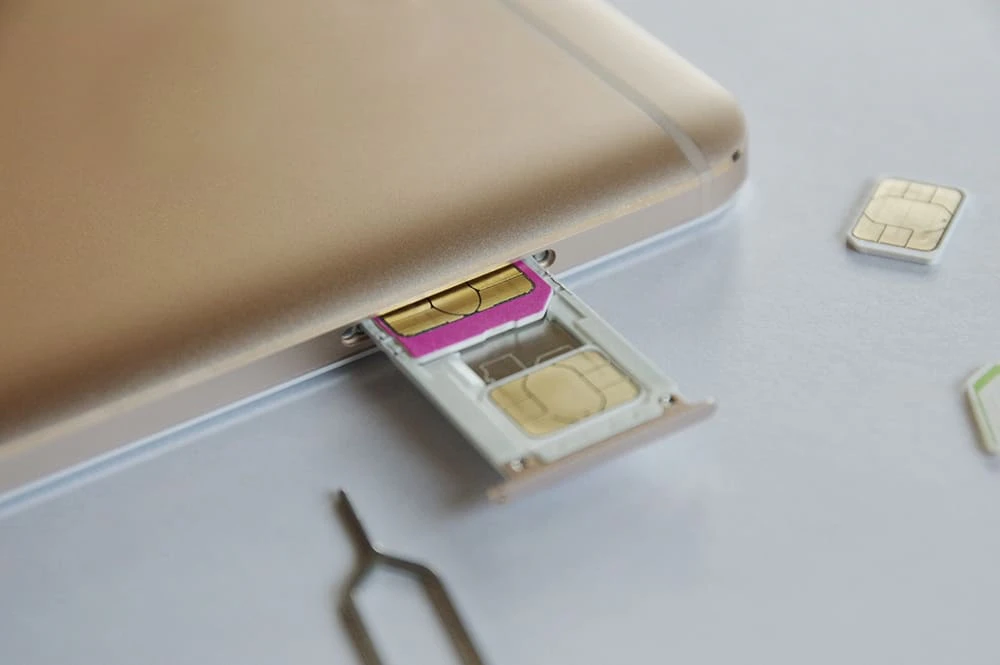
Smartphones are now an essential communication device in our daily lives. That's why we want to keep monthly fees as low as possible, as well as the quality of their features and services.
When considering purchasing a new smartphone or switching to another, you'll likely come across the terms MNO, MVNO, and MVNE. The features, services, and monthly fees vary depending on which one you choose, but do you know the differences between them?
In this article, we will introduce the characteristics, advantages and disadvantages of MNOs, MVNOs, and MVNEs.
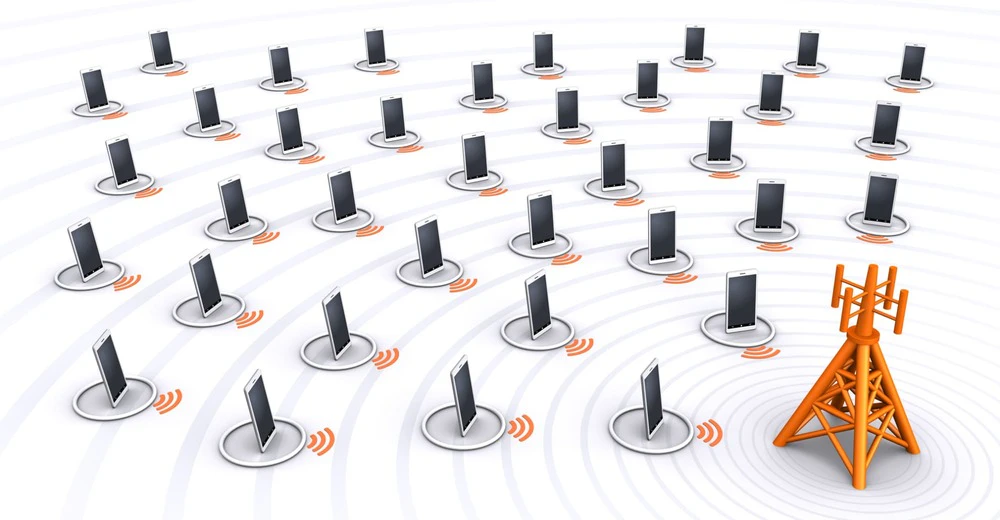
MNO stands for "Mobile Network Operator" and means "mobile communications business operator."
A distinctive feature of MNOs is that they are allocated frequency bands directly by the Ministry of Internal Affairs and Communications, and provide communication services using their own line networks.
Businesses generally referred to as "carriers" fall under the category of MNOs.
The advantage of MNOs is that they offer stable communication speeds because they use their own network.
Another feature of MNOs is that they have shops (counters) all over the country and offer comprehensive support. For those who are not familiar with using communication devices, it is a great advantage to have a counter where you can ask about details such as service content when purchasing and get advice when you have a problem.
Another attractive feature of MNOs is the wide range of discounts and campaigns they offer. For example, some MNOs offer discounts for families and long-term contract users, as well as regular campaigns for new purchases (or switching), and gift campaigns.
Additionally, MNOs are enhancing their point programs by integrating their financial businesses. For those who have a set amount of points they usually save, choosing an MNO can be beneficial.
Because MNOs manage and operate their own communications equipment (infrastructure), monthly fees are relatively high.
Another disadvantage is that fees plans are more complicated and difficult to understand than those of MVNOs.
MVNO stands for "Mobile Virtual Network Operator" and refers to a "virtual mobile communications operator."
The difference between MVNO and MNO is the addition of the word "Virtual," which means that MVNOs rent line networks from MNOs to provide communication services.
MVNOs are able to keep operating costs down and provide smartphone communication services at low prices, so the term MVNO is sometimes used to mean "low-cost smartphone."
Since MVNOs do not need to maintain their own communications infrastructure, they can keep the basic monthly fee low.
A variety of services are offered, such as unlimited calling options and data plans, so you can choose the plan that suits you best. Another advantage of MVNOs is that their fees plans are simpler and easier to understand than those of MNOs.
One disadvantage of MVNOs is that they rent the network of an MNO, which can result in slower communication speeds. This can be especially congested during busy times (commuting, lunch breaks, after returning home, etc.).
Also, MVNOs do not carry the latest iPhone models. You can purchase and use SIM-free devices from the official Apple store, but you will have to pay the regular price.
The fact that sales are mainly via the Internet and there are not many physical stores can be a disadvantage for users who are not familiar with communication devices.
MVNE stands for "Mobile Virtual Network Enabler" and refers to a "virtual mobile service provider."
The difference between MVNO and MVNE is the "Operator" and the "Enabler." To put it simply, MVNE is a business that supports MVNO.
MVNEs lease lines in bulk from MNOs (carriers) on behalf of MVNOs, then provide them to MVNOs in smaller lots. They also provide MVNO operators with technology, know-how, and consulting services related to service provision.
Therefore, even if you are using the same carrier, the features, services, and data volume available will differ depending on the MVNE. If you want to make the most of a low-cost SIM service, it is a good idea to pay attention to the MVNE.

When choosing a communication service, some people may be unsure whether to choose an MNO (carrier) or an MVNO (low-cost smartphone).
Here we will introduce the features of each, and whether MNO or MVNO is recommended.
MNOs are recommended for those who want to purchase the latest models or high-spec models on installment plans. MNOs offer discounts on the latest iPhones, which would be expensive to purchase officially, allowing you to purchase them at a great price. (*) On the other hand, MVNOs have a limited selection of models available for purchase, and may not allow you to pay in installments.
Additionally, if you are particular about call quality and service, you should choose an MNO. One of the attractions of MNOs is that they use their own line network, meaning that communication speeds are more stable than with MVNOs. They also have shops (service centers) located nationwide, so you can receive face-to-face support when purchasing or if any problems arise.
* povo2.0 does not sell devices. If you would like to purchase a device, please consider purchasing it from au Online Shop or similar.
*UQ Mobile, which uses the same au network as povo, allows you to purchase a device set.
For more information about UQ Mobile, click here.
For those who want to keep their monthly smartphone usage fee low, MVNO is recommended. MVNOs have a lower monthly usage fee than MNOs, and there are many fees plan options, so you can choose the service that suits your needs.
For example, if you rarely make calls, or if you have mobile Wi-Fi or fiber optic internet at home or work and don't use much data on your smartphone, you may be able to save money with an MVNO. On the other hand, if you require large amounts of data, it's important to note that there may be no difference in fees between an MVNO and an MNO, depending on the plan.
MVNOs have loose contract validity and allow you to customize the service to your liking. For this reason, MVNOs are recommended for people who are familiar with communication services and devices and can troubleshoot problems on their own to some extent.