A popular cheap smartphone because it keeps the monthly usage fee low. Many people may be thinking of switching from their current carrier to save money. That's where you're concerned about the disadvantages of cheap smartphones. Even if fees is cheaper, it is a big problem if there is a problem with smartphone use.
In this article, we will explain the disadvantages and advantages of cheap smartphones in an easy-to-understand manner. Please refer to whether the disadvantages of cheap smartphones are acceptable when switching to a smartphone.
If you look at the price alone, budget smartphones are by far the best value, but before you switch, you need to be aware of the disadvantages of using them. First, we'll introduce three major disadvantages of using budget smartphones.
One of the disadvantages of budget smartphones is that their communication speeds tend to be unstable compared to those of telecommunications carriers. Many people cite communication speed issues as a reason for not choosing a budget smartphone.
Low-cost smartphones are also called MVNOs, and their services are operated by renting the communication lines they use from communication equipment (infrastructure) set up and operated by telecommunications carriers.
Many low-cost smartphones use the networks of other carriers, so speeds may be slow in some cases. Speeds are particularly slow during morning and evening commutes when the number of users increases, and before bedtime.
However, the connection only becomes unstable when the network is congested, and the coverage area is the same as that of other carriers. Also, depending on the time of day you normally use the service, you may not notice any connection instability at all. If you have an internet connection at home, there will be no problem if you connect your smartphone to your home Wi-Fi.
With the spread of convenient payment services, many people are saying, "I don't carry cash anymore because I have a smartphone." However, if you switch to a low-cost smartphone, you may no longer be able to use carrier billing, which is a service offered by other telecommunications companies that allows you to pay your smartphone fees and data charges together with your mobile phone fees.
Those who pay for their smartphone bills, shopping sites, game apps, and other services via their carriers should be careful. In some cases, you can continue to use your carrier billing even if you switch to a low-cost smartphone, so be sure to check in advance before switching.
LINE, an essential messaging app for communication, assigns each user an ID. By searching for that ID, you can add specific people as friends, but age verification is required when searching for an ID.
However, there are many low-cost smartphones that do not allow you to use the ID search function. This is because they cannot perform the age verification required for ID search.
However, if you have already completed age verification on your device, you can continue to use ID search even if you switch to a low-cost smartphone. We recommend that you check before switching.
Even if you can no longer search for IDs after switching, you can still add someone using a QR code. Simply scan the other person's QR code with your camera, or have them scan yours, and you can easily exchange LINE IDs. Furthermore, if you know the other person's email address or phone number, you can add them as friends by inviting them.
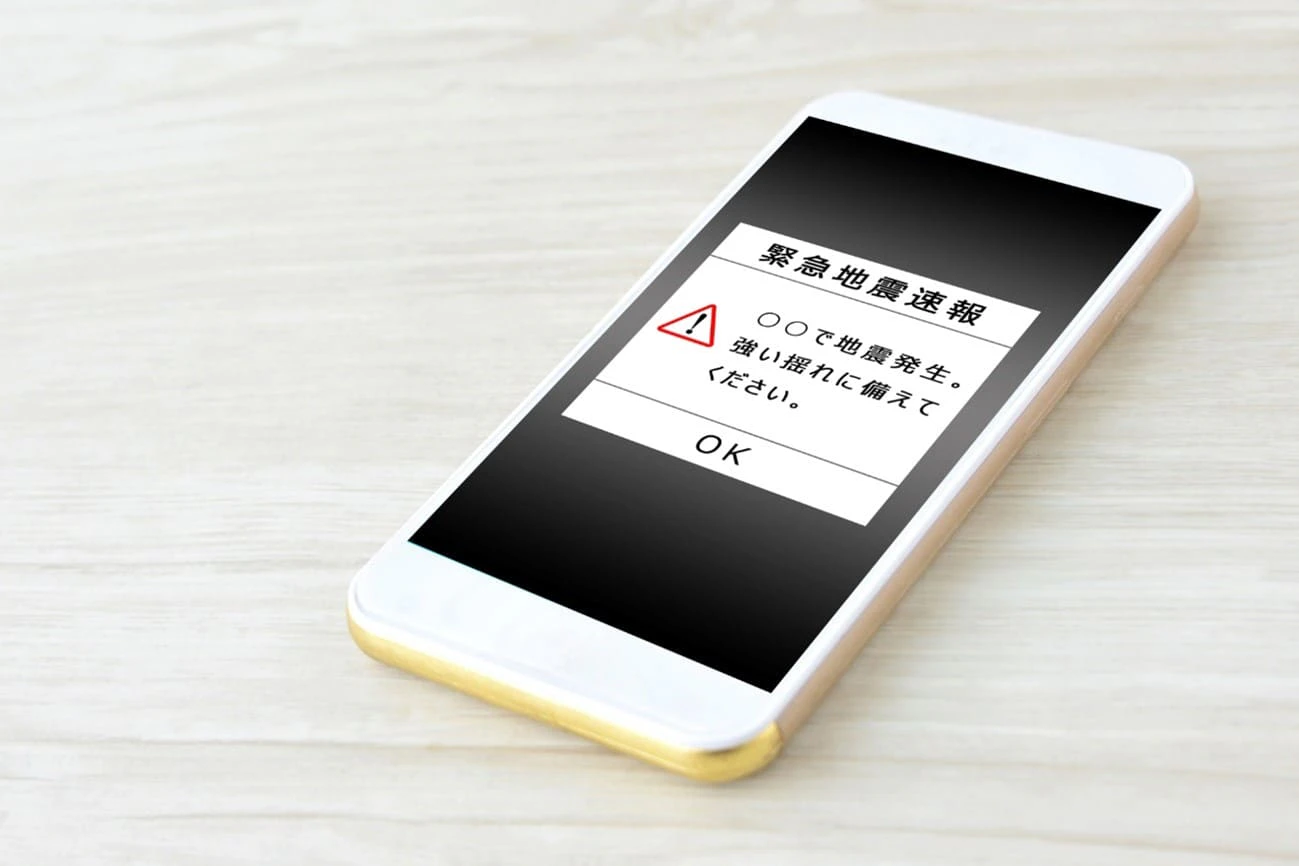
One of the biggest disadvantages of low-cost smartphones is communication during disasters. As mentioned above, low-cost smartphones rent lines, so communication can be unstable during busy periods. If a large number of people use their smartphones at the same time, such as during a disaster, there is a possibility that voice call usage will be restricted.
However, this is not limited to low-cost smartphones. When there is a surge in voice calls from people checking on the safety of others after an earthquake or other incident, it can be difficult to connect, regardless of the carrier. This is because communication restrictions are implemented to prioritize emergency calls to the police, fire department, etc.
Also, low-cost smartphones do not offer disaster message boards like other telecommunications carriers. However, anyone can use the disaster message board (web171) provided by NTT East and NTT West. Therefore, we recommend that low-cost smartphone users use this service in the event of an emergency.
Some people also say that low-cost smartphones cannot receive emergency earthquake alerts, but most do, except for tablets. Some models may not be compatible, so be sure to check whether your smartphone is compatible. If your model cannot receive emergency earthquake alerts, you can receive notifications by using a disaster prevention app.
The disadvantages of budget smartphones can be resolved by choosing the right model and using the right apps. In other words, many people who switch to a budget smartphone do not experience any major problems or inconveniences.
So, what we want you to pay attention to is the benefits of low-cost smartphones. There are various benefits to low-cost smartphones.
The biggest advantage of budget smartphones is their low monthly fees. They are recommended for those who want to reduce their communication costs. For example, if you reduce your monthly smartphone fees by just 2,000 yen, you can save 24,000 yen per year.
Low-cost smartphones are able to offer services at low monthly fees by not having to set up communication facilities (infrastructure) or physical stores. In addition, fees plans are often set according to usage, allowing you to choose the most suitable fees.
Smartphone usage varies from person to person, with some only watching videos and others only making calls.
There are now many cheap smartphones available, and you can choose a plan that suits your needs. You can also add options if necessary, so you don't have to pay unnecessary fees.
In most cases, you will be able to continue using the smartphone you have been using, so you may not need to transfer data.
This is a welcome benefit for people who don't want to go through the hassle of transferring data or who want to keep their familiar smartphone at a lower fees.
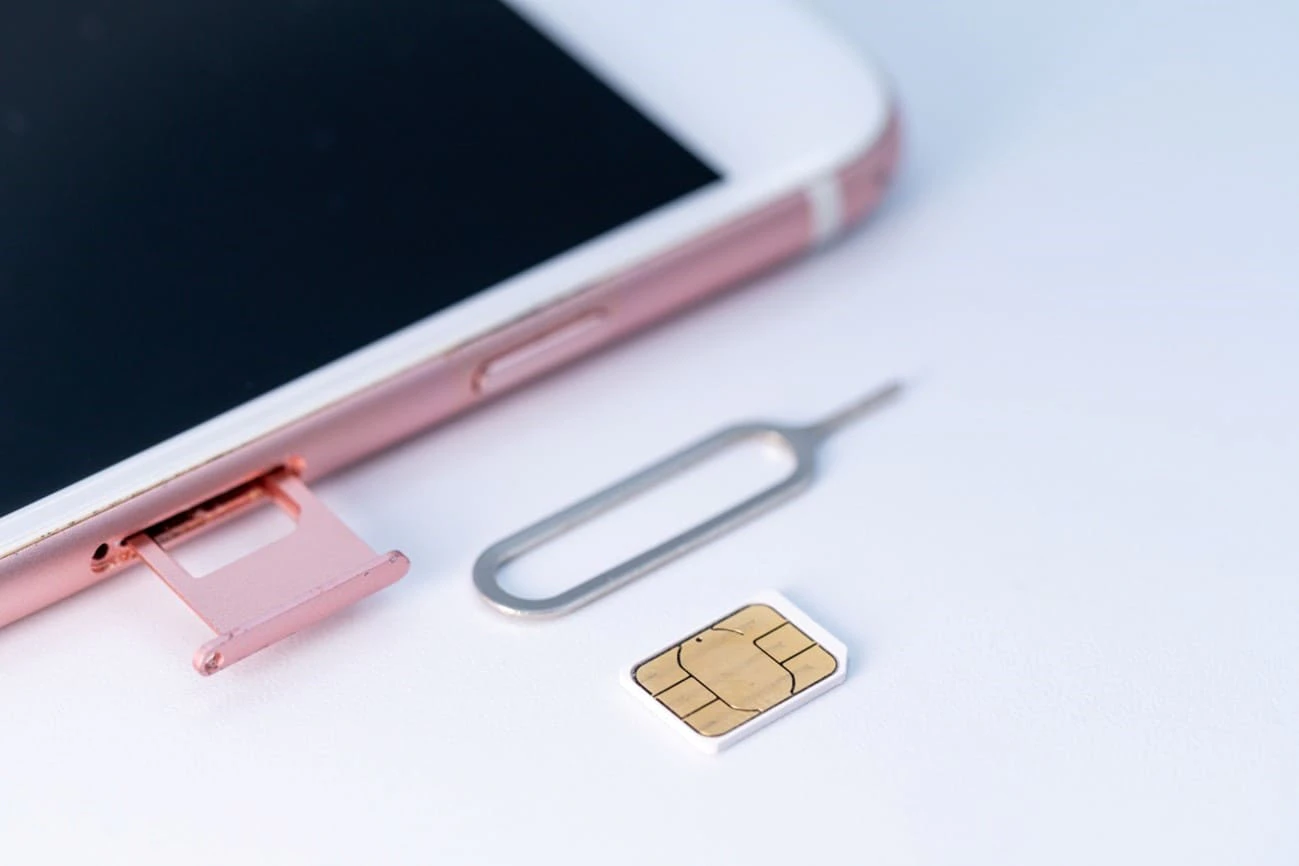
Please note that if you wish to continue using your current smartphone, you will need to check the SIM lock. Depending on the type of smartphone you are using, it may be locked so that you can only use the line of the carrier from which you purchased it.
As a general rule, smartphones purchased after October 1, 2021 are not SIM-locked. However, there are exceptions, so we recommend checking before switching carriers.
If you're considering switching to a low-cost smartphone but are worried about switching to a service you're not familiar with, we recommend povo. povo is a new fees plan launched by au (KDDI).
It is an au online-only brand (*1) that can be used easily and at a low price. The basic fees is 0 yen (*2) (*3) (*4), and it is a plan that allows you to Topping the features you need yourself. By not adding unnecessary services, you can achieve a low monthly fees.
Normally, when reviewing fees plan, you would understand your data usage, choose a plan that suits you, and delete unnecessary options. However, with povo, you start from scratch with all the Topping, so you can save yourself the trouble of deleting unnecessary options.
There is a wide variety of paid Topping available, allowing for a high level of customization.
Since everyone uses their smartphone differently, being able to customize your plan is a major attraction. If you suddenly find yourself making a lot of calls, or if you're worried about your data capacity because you won't be able to use Wi-Fi for a while, you can purchase additional paid Topping when you need them.
With povo, you can easily transfer your current phone number to a new contract, or even get a new phone number. If you're considering switching to a budget smartphone, why not consider povo, which is easy to use and offers a low price?