
Many people who are considering purchasing a new smartphone or switching to a new one have probably come across the term "MVNO."
In this article, we will explain in detail what MVNO means, and also explain how it differs from "MNO," a telecommunications provider that provides the same mobile phone service.
MVNO is an abbreviation for "Mobile Virtual Network Operator." MVNO is generally pronounced simply as "Embuieno."
Also, MVNO translates to "mobile virtual network operator" in Japanese. We will explain in detail what MVNO is.
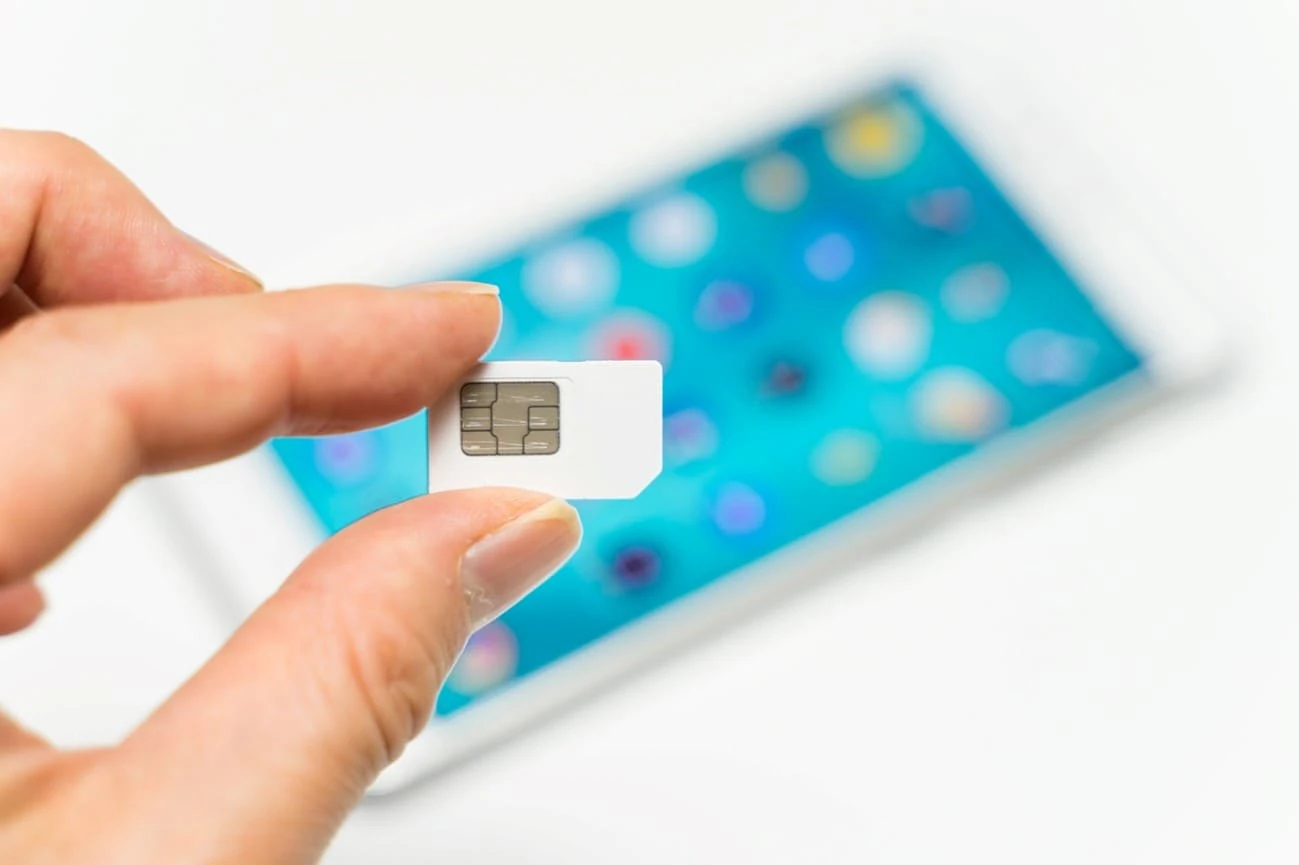
MVNO refers to a telecommunications company that provides communication services known as "low-cost smartphones" and "low-cost SIM cards."
A major feature of MVNOs is that they do not own their own communications equipment (infrastructure). MVNOs rent lines from MNOs (mobile network operators), such as KDDI, docomo, and SoftBank, to provide communications services to customers.
Because of this characteristic, the word "virtual" in "virtual mobile telecommunications operator" comes from the fact that they do not own their own line facilities but instead rent lines from MNOs to provide communication services.
Some people may wonder, "MNOs also provide communication services, so why do they lend their lines to MVNOs?" The reason MNOs lend lines is because there is a limit to the amount of radio waves that can be used by smartphones.
In fact, there is a limit to the amount of radio waves that can be used by smartphones for various reasons. Therefore, in order to prevent a few companies from monopolizing the smartphone radio waves, a system has been established that allows MVNOs to rent lines from MNOs.
In fact, the Ministry of Internal Affairs and Communications' guidelines regarding MVNOs state that "If an MNO receives a request from an MVNO to provide line equipment, the MNO is obligated to comply with that request."
These MVNO obligations and mechanisms not only prevent radio wave monopolies, but also promote competition in the smartphone market and help make smartphone fees more fair.
In addition, MVNOs do not have physical stores where devices can be purchased or where consultations can be made, and in many cases applications and consultations are conducted online, which allows them to keep operating costs low and thereby offer low monthly fees.
Currently, many companies are entering the MVNO market one after another, offering a variety of fees plans and campaigns, and many of them are adding unique added value, such as specializing in video content.

"MNO," which was mentioned in the previous section, is a telecommunications carrier that owns its own line facilities, which are essential for MVNOs. Here we will explain the various differences between MVNOs and MNOs.
MNO is an abbreviation for "Mobile Network Operator," which in Japanese is called a "mobile communications carrier." MVNOs differ in that they do not include the word "Virtual."
In Japan, MNOs are often referred to as "carriers," and generally refer to telecommunications companies such as KDDI (au), docomo, SoftBank, and Rakuten Mobile.
Telecommunications operators that fall under the category of MNOs are allocated radio waves in a specific frequency band (700MHz to 28GHz) by the Ministry of Internal Affairs and Communications, and deliver these radio waves to customers' smartphone devices via their own line equipment (base stations).
Additionally, because MNOs develop their own communications equipment (infrastructure), they are able to provide high-speed, stable communications over a wide area, which is another major feature and attraction.
When comparing MVNOs and MNOs, MVNOs tend to be cheaper at fees per month. The reason for this, as explained earlier, is that MVNOs provide services by renting MNO's lines. Since there is almost no need to spend capital investment costs such as lines and base stations in-house, we return the usage fee to users in the form of a lower usage fee.
In addition, MVNOs reduce development costs by reselling "SIM-free" devices rather than developing their own smartphones and other devices. They also reduce costs associated with providing services by using various methods, such as conducting some or all of the procedures online.
These MVNO structures and initiatives are thought to be the reason why MVNO monthly fees tend to be lower than those of MNOs.
Telecommunications companies that are MNOs have numerous stores across the country, where they handle customer service, support, and contract procedures in-store.
In contrast, with MVNOs, only a few brands have their own dedicated stores in each region, and many telecommunications carriers sell their products in physical stores through electronics retailers. Furthermore, some telecommunications carriers only handle contracts and various procedures online.
Therefore, if you would like to speak directly to store staff before proceeding with the procedure or if you would like to receive support at the store, you should be careful when using an MVNO.
In addition to the differences in the number and presence of physical stores, MVNOs and MNOs also differ in the support they provide. MNOs offer in-store sales and extensive support, while MVNOs often require online procedures and require users to activate their smartphones themselves after signing a contract.
Therefore, if you want thorough support and the ability to use a store, an MNO would be a good choice, while if you don't care about store support and can easily handle things like activating your smartphone yourself, an MVNO would be a good choice.
There are also differences between MVNOs and MNOs in the payment methods you can choose from. For example, with the exception of some telecommunications carriers, MNOs allow you to choose your preferred payment method, including direct debit, credit card payment, and payment by payment slip.
In contrast, with MVNOs, although some carriers do support direct debit, many carriers are limited to credit card payments.
Therefore, if you want the freedom to choose your payment method and don't have a credit card, an MNO would be suitable, while an MVNO would be suitable for those who don't mind paying by credit card.
One of the features of MVNOs is that they offer low fees, but there are also MNO brands that offer low monthly fees, such as UQ Mobile and povo.
The following are the reasons why we are able to provide fees services despite being an MNO service.
A notable feature is that in many cases applications can only be made online. In the case of UQ Mobile, applications can be made at a physical store, but in the case of povo, all procedures and support are handled online.
By completing everything online, we are able to reduce store operating expenses and labor costs for staff, allowing us to offer low-cost fees plans.
Many fees plans also have a system that allows you to use only the features you need. By carefully selecting only the functions you need, you can keep your monthly usage fee down.
However, low-fees online-only plans from MNOs may not offer the services and discounts that are available with fees plans.We achieve low prices by reducing services and discounts.
Examples of traditional services that are not available with low fees online-only plans from MNOs include:
The services that are unavailable may vary depending on the carrier and plan, so it is possible that not all of the above services will be unavailable.
However, if you are thinking of using a low fees online-only plan from an MNO, you should not only check whether the functions you need are available, but also whether there are any services that you have previously been able to use, such as carrier email, that you will be inconvenienced if you are no longer able to use them.
If you want to keep fees low with an MNO or are looking for a smartphone with a great fees plan from an MNO, we recommend povo2.0 (※1).
Unlike MVNOs, povo2.0 is an MNO that allows you to use au 's lines with the same quality. You can use your smartphone with stable, high-quality communication speeds over a wide area while keeping your monthly fees low.
In addition, povo2.0 has a basic fee of 0 yen (※2) (※3) (※4), and is characterized by a new type of fees plan that allows you to use it freely by adding only the functions you need as paid Topping.
There are a wide variety of paid Topping to choose from, including six types of data Topping with different validity and data capacities, two types of content Topping including video subscriptions, two types of call Topping, and one type of support Topping. There are also some Limited offer trial Topping available.
Reference: [Limited offer] Trial Topping | [Official] povo2.0
You can purchase and use paid Topping when you need it, and only as much as you need, making it easy fees to manage usage fees. (However, please note that if you do not purchase a paid Topping for more than 180 days, you may be suspended or the contract may be terminated.)
For those who say, "There are so many Topping options to choose from, it's convenient, but I don't know Topping are right for me!", povo Support offers fees consultations via chat at any time, so even those who don't know which fees plan is best for them can use the service with peace of mind.
Furthermore, even if your device is not eSIM compatible, you can continue to use your existing smartphone by simply inserting a new SIM card, making it easy to switch carriers.